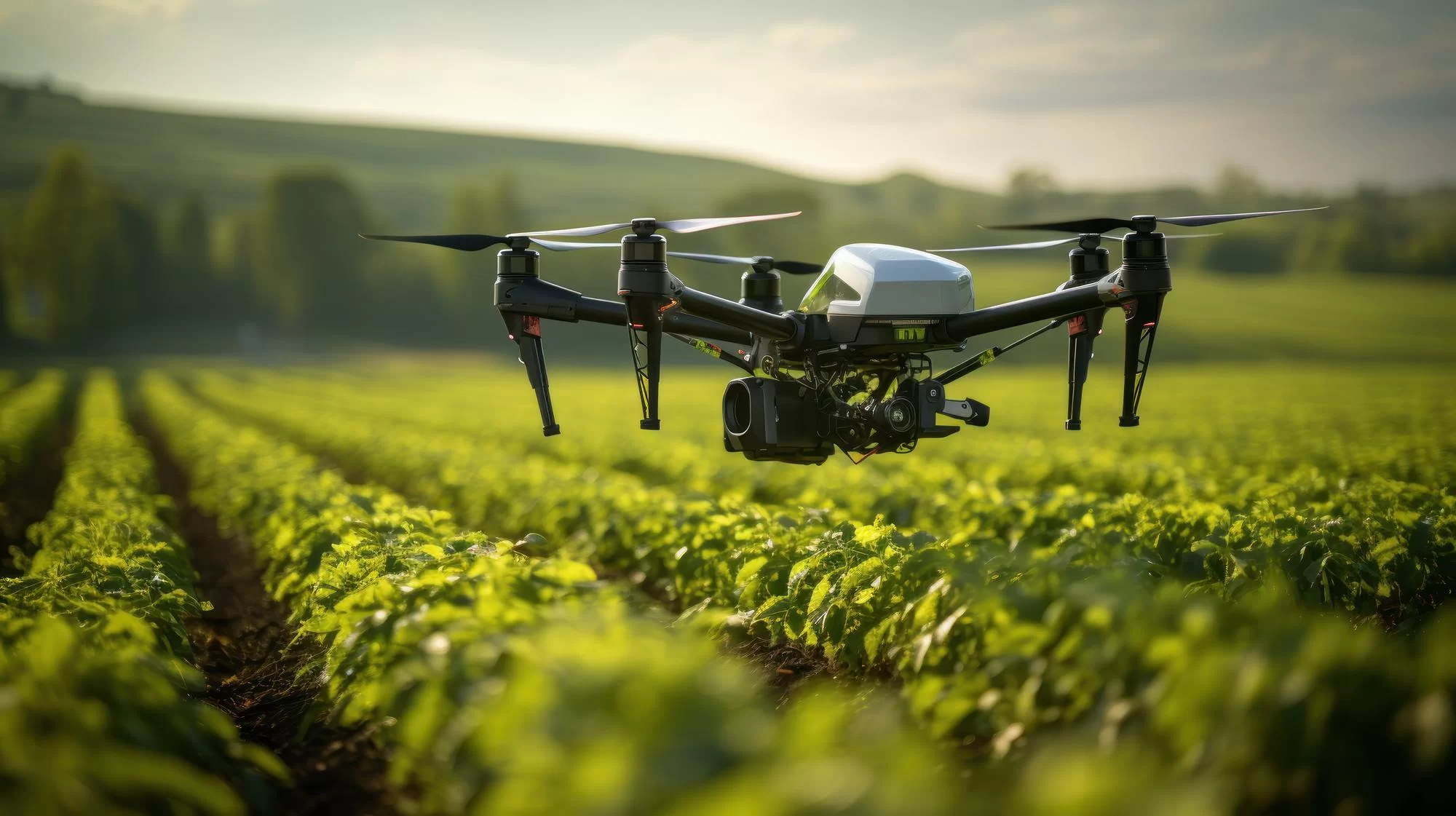
OUR ULTIMATE DRONE MODELING & SIMULATION PLATFORM

Our vision is to transform the way drones are modeled and simulated, enabling seamless integration between drone designs and advanced simulation tools. By offering real-time simulation and data analytics, our platform empowers drone developers and enthusiasts to design, test, and optimize drone performance with unparalleled precision.

Key Features

Advanced Simulation

Seamless integration with advanced simulation tools for real-time drone modeling.

Performance Analysis

Automated flight data acquisition and performance analysis for optimized drone design.

Remote Simulation

Monitor and simulate drone behavior remotely with comprehensive reporting features.

Secure Data Handling

Secure and efficient data handling for all drone models and simulations.

Unified Platform

A unified platform bringing all drone modeling and simulation data onto a single, intuitive interface.
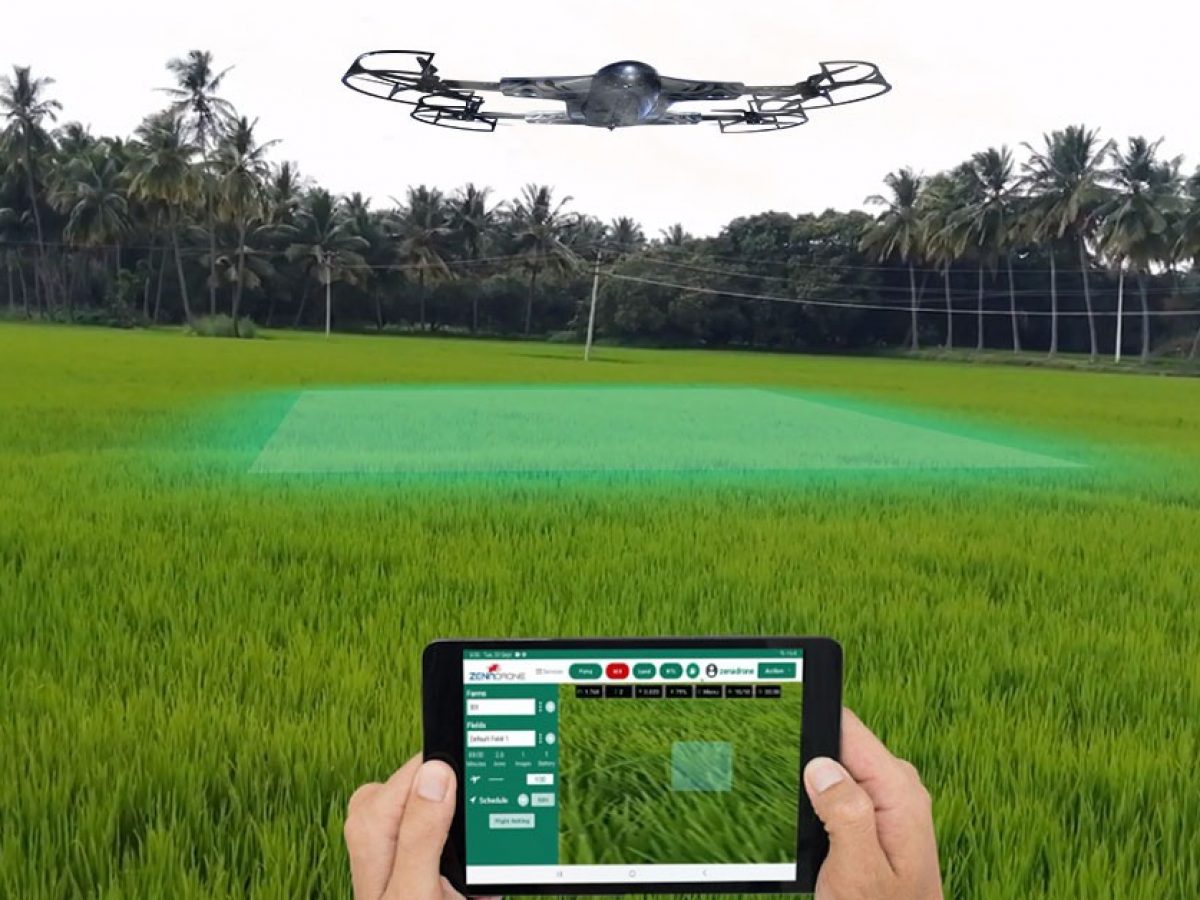
Join us in shaping the future of drone technology. Explore our platform to model, simulate, and optimize drone performance, and be part of a global network of drone developers.
Drone Modeler - Elevating Drone Design & Simulation

drone-modeling

UAV Simulation & Mission Modeling Architecture

Physics-accurate flight dynamics, Hardware-in-the-Loop (HIL) emulation, sensor payload analytics, and autonomous mission route generation

Prototyping commercial drones through physical trial flights incurs high airframe crash risks, costly battery replacements, and dangerous edge-case failures in GPS-denied environments.

Mirach Drone Modeler bridges physical aeronautics and synthetic flight simulation. Utilizing 6-DoF aerodynamic math models, multi-rotor thrust vectoring, and real-time wind shear dynamics, our platform executes millions of synthetic flight hours before physical hardware ever leaves the workshop bench.

6-DoF Aerodynamic Modeling Hardware-in-the-Loop (HIL) PX4 & ArduPilot SITL Telemetry LiDAR & Optical Mesh Sim Battery Draw & Thermal Profiling Autonomous Waypoint Generation

Engineers evaluate payload weight distributions, gimbal stabilization, and obstacle avoidance algorithms across diverse photorealistic weather landscapes with millisecond physics fidelity.

UAV Prototyping & Mission Validation Workflow

From CAD design upload and synthetic flight stress-testing to hardware flashing and deployment

STEP 01

Airframe & Propulsion Import

Ingest 3D CAD frames, motor KV ratings, propeller pitch, and battery chemistry into the digital twin physics engine.

STEP 02

Synthetic Flight Stress Test

Execute autonomous flights through simulated micro-bursts, signal jamming, and terrain obstacles to tune PID control loops safely.

STEP 03

Mission Flash & Live Flight

Export validated flight control configs and geo-fenced waypoints directly to onboard companion computers for flawless real-world flights.

Aerospace R&D Economics & Flight Safety ROI

Eliminate physical crash liabilities, compress prototyping cycle times, and optimize flight range

Operational & Financial Impact

  • Airframe Prototype Crash Reduction: 95% Crash Liability Avoided
  • R&D Iteration Cycle Speed: 60% Faster to Flight Certification
  • Battery Endurance Optimization: +25% Extended Flight Duration
  • Physical Wind-Tunnel Test Cost: Reduced by 80%

Robotics & Flight Stack Interoperability

Connects with leading commercial drone autopilots and robotics middleware:

PX4 Autopilot Ecosystem ArduPilot Multi-Vehicle SITL ROS 2 / Gazebo Bridge MATLAB & Simulink Models QGroundControl Mission Planner DJI Mobile & Onboard SDK